
What is a GRP water tank?
In the realm of water storage solutions, GRP (Glass Reinforced Plastic) water tanks have emerged as a reliable and versatile option. These tanks, constructed using a combination of glass fiber and plastic resin, offer numerous advantages over traditional materials like concrete or steel. From industrial applications to residential use, GRP water tanks have gained popularity due to their durability, flexibility, and sustainability.
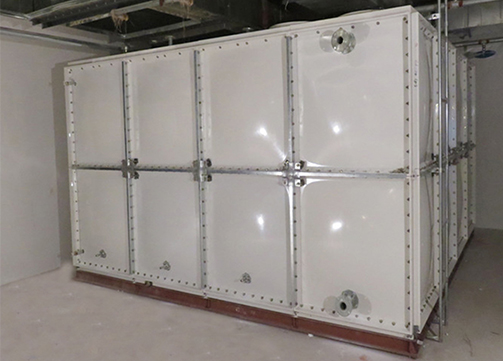
What is a GRP Water Tank? A GRP water tank is a type of storage vessel designed specifically for holding water. It is constructed using layers of glass fiber reinforced with plastic resin, forming a robust composite material. The manufacturing process involves molding the GRP panels into various shapes and sizes, allowing for customization to meet specific requirements.
Benefits of GRP Water Tanks:
Durability: GRP water tanks are highly durable and resistant to corrosion, rust, and chemical degradation. This durability ensures a longer lifespan compared to traditional materials, reducing the need for frequent maintenance or replacement.
Lightweight: Despite their strength, GRP water tanks are lightweight, making them easier to transport, install, and handle. This feature is particularly advantageous in areas with limited access or space constraints.
Flexibility: GRP tanks can be fabricated into different shapes and sizes, allowing for customization to fit specific site requirements. Whether it's a cylindrical, rectangular, or sectional tank, GRP offers flexibility in design and installation.
Leak-proof: The seamless construction of GRP water tanks minimizes the risk of leaks, ensuring reliable containment of water without any seepage or loss. This feature is crucial for storing potable water or sensitive liquids in industrial settings.
Insulation: GRP tanks offer excellent thermal insulation properties, helping to maintain the temperature of stored water. This insulation reduces energy consumption and prevents freezing or overheating of the water, depending on the climate.
See also:
10 Questions You Should Know about 60m Length Roll Inner Tape
Ultimate Guide to Galvalume Flat Sheets: Everything You Need to Know
How to Choose 25mils Thick Pipe Wrapping Tape for Gas Pipeline
The Benefits of Using 0.8 Mm Galvanised Sheet: Everything You Need to Know
How to Effectively Use PE Anticorrosion Wrap Tape
How Does Flexible waterproof PVC repair tape Work?
What factors determine polypropylene bitumen tape price?
Applications of GRP Water Tanks:
Potable Water Storage: GRP tanks are commonly used for storing potable water in residential, commercial, and municipal settings. Their hygienic properties, coupled with compliance with safety standards, make them ideal for drinking water storage.
Industrial Use: In industries such as manufacturing, agriculture, and food processing, GRP water tanks serve as reliable storage solutions for various liquids, including chemicals, fertilizers, and wastewater. Their resistance to corrosion and chemical degradation makes them suitable for harsh environments.
Fire Protection Systems: GRP water tanks are integral components of fire protection systems, providing a reliable source of water for firefighting purposes. Their durability and capacity to withstand extreme conditions make them essential for ensuring safety in buildings and industrial facilities.
Rainwater Harvesting: GRP tanks are increasingly being used for rainwater harvesting projects, allowing for the collection and storage of rainwater for irrigation, landscaping, and non-potable uses. Their lightweight construction and customizable design make them well-suited for residential and commercial applications.
Conclusion: GRP water tanks represent a versatile and reliable solution for water storage across various industries and applications. Their durability, flexibility, and sustainability make them an attractive alternative to traditional materials like concrete or steel. As the demand for efficient water management continues to rise, GRP tanks are poised to play a pivotal role in meeting the needs of communities, businesses, and the environment.
10 Questions You Should to Know about Galvanized Steel Coil 0.65mm
How to choose Galvanized steel coil 0.22mm?
Technology
How to Select Ribbed Welded Mesh?
The Advantages of Selecting Square Reinforcing Mesh Supplier
Reinforcement for Concrete
Make resin panels for a lampshade - Resin Obsession