
What is a friction bolt?
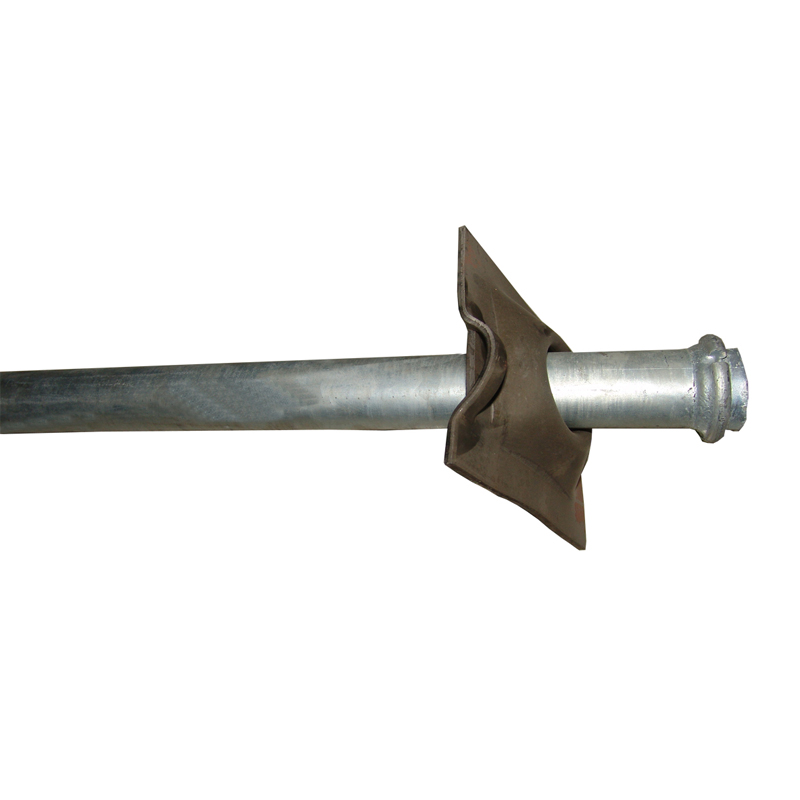
A friction bolt, also known as a rock bolt or an expansion shell bolt, is a type of bolt used in geotechnical and mining engineering to provide support and reinforcement in rock and soil. It is specifically designed to stabilize rock masses by creating frictional resistance along the length of the bolt.
Origins and Evolution
Friction bolts have a fascinating history dating back to the early 20th century when engineers sought efficient methods to support underground excavations in mines and tunnels. The concept emerged from the need for a robust anchoring system that could withstand high loads and adverse geological conditions.
Early iterations of friction bolts comprised simple threaded rods with a mechanical anchor at one end. However, as the demand for safer and more reliable support systems increased, engineers began to innovate, leading to the development of modern friction bolts. These bolts typically consist of a threaded steel rod with an expandable shell or sleeve at one end. When installed into a pre-drilled hole, the bolt is tightened, causing the sleeve to expand and grip the surrounding rock mass tightly.
Significance and Impact
See also:Discover the Best Post Tension Wedges Contractor Near You!
- How Post Tension Wedges Improve Industrial Efficiency
10 Questions You Should Know About Post Tensioning System Solutions
10 Questions You Should Know about Post Tension Wedges for Parking Structures
Maximizing Efficiency with Rapid Tooling for Injection Molding
4 Advice to Choose a high volume cnc machining
Cut-Off Wheels Manufacturer: Top 5 Picks for Precision Cutting
The widespread adoption of friction bolts revolutionized the field of underground engineering by offering a cost-effective and versatile solution for ground support. Their ability to provide immediate reinforcement significantly enhances worker safety and allows for more efficient excavation processes. Moreover, friction bolts facilitate the stabilization of rock masses, reducing the risk of collapses and supporting the integrity of underground structures.
In mining applications, where stability is paramount, friction bolts play a critical role in preventing roof falls and supporting the roof and walls of excavated areas. They have become indispensable in tunneling projects, providing reliable support in soft ground conditions and mitigating the risk of ground movement.
Conclusion
In conclusion, the friction bolt represents a remarkable feat of engineering ingenuity, born out of the necessity to overcome the challenges posed by underground excavations. Its evolution from rudimentary designs to sophisticated anchoring systems underscores the relentless pursuit of safety and efficiency in geotechnical and mining practices. As technology continues to advance, friction bolts will undoubtedly remain a cornerstone of ground support, en
Expert Guide: Diamond Polishing Pads for Concrete Floors
How is welding wire manufactured?
4 Tips for Choosing Post Tension Wedges in Residential Construction
10 Questions You Should to Know about PVD Coated Stainless Steel
How to Choose Post Tension System for Vietnam
4 Tips to Choose a Machining Auto Part Prototype
What is a Gi Reducer Socket and Its Uses?
- Previous: None
- Next: None