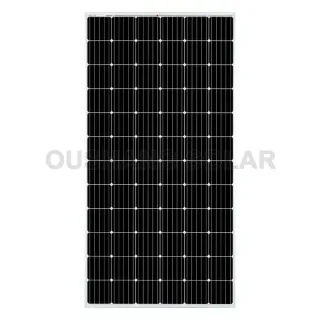
As the world continues its shift towards renewable energy sources, solar power stands out as a key player in the quest for sustainable electricity generation. One of the primary considerations for individuals and businesses contemplating solar adoption is the cost of solar panels.
By CC
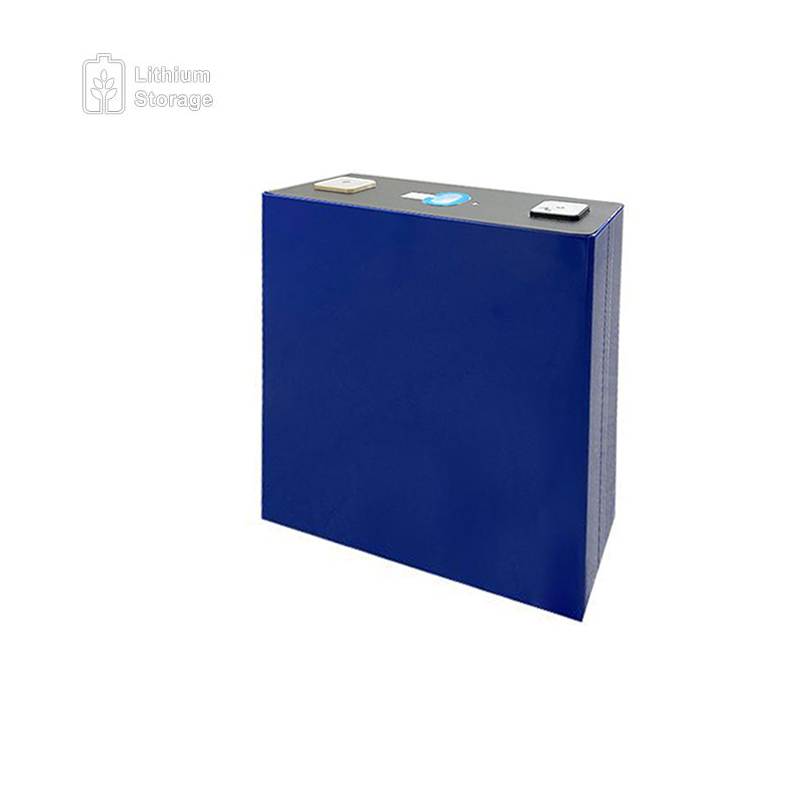
In the realm of portable power solutions, lithium batteries have emerged as revolutionary energy storage devices, powering an extensive array of electronic gadgets and systems. Their lightweight design, high energy density, and rechargeable nature make them versatile and indispensable in numerous applications.
An Energy Storage System (ESS) is a technology that captures and stores energy for later use. It plays a crucial role in modern energy management by addressing the intermittent nature of renewable energy sources and optimizing energy consumption.
As electric vehicles (EVs) continue to gain traction, the infrastructure supporting them is evolving to meet the growing demand for faster and more efficient charging solutions. One such advancement is the introduction of 22kW three-phase EV charging stations.
Solar energy has become a cornerstone of sustainable power generation, and choosing the right solar panel technology is crucial. One common dilemma faced by consumers is whether monocrystalline solar panels are truly superior to their polycrystalline counterparts.
Solar power has emerged as a sustainable and environmentally friendly solution to our growing energy needs. Among the myriad of solar panel options available, the 36 cell solar panel has gained recognition for its remarkable advantages.