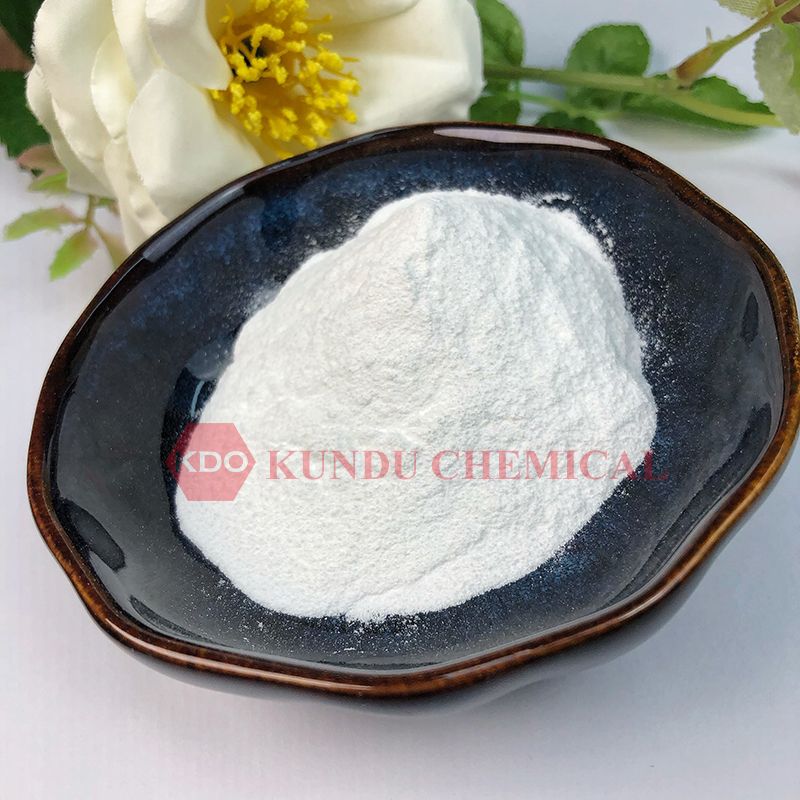
Sulfonated Melamine Superplasticizer is a high-performance chemical additive that revolutionizes the properties of concrete. It belongs to a class of superplasticizers known for their ability to significantly enhance the workability, flow, and strength of concrete mixes.
By May
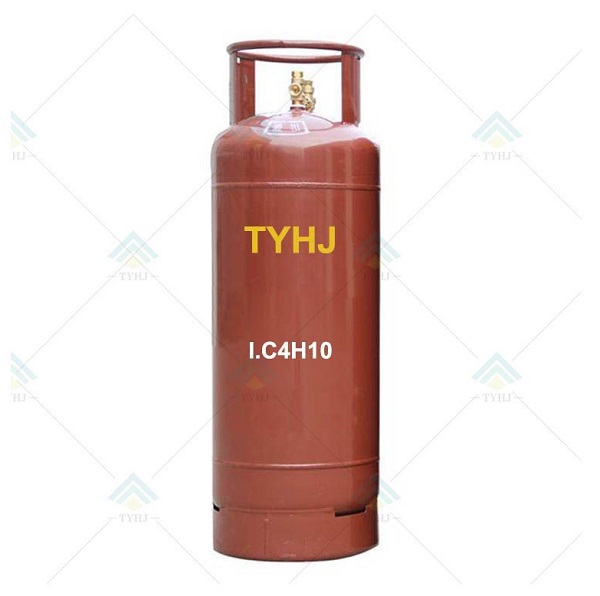
Isobutane, chemically represented as C4H10, is an isomer of butane, differing in the arrangement of its carbon atoms. It is a colorless and odorless gas at room temperature, characterized by its highly flammable nature. Due to its molecular structure, isobutane exhibits unique physical and chemical properties that render it suitable for various applications across diverse industries.
Methyluracil ointment, a topical medication, has gained recognition for its versatile therapeutic properties and potential benefits in various dermatological conditions. Derived from the naturally occurring compound methyluracil, this ointment offers a range of applications that extend beyond its initial discovery.
By Hou
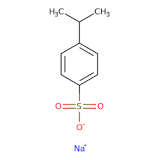
Sodium cumene sulfonate, a chemical compound commonly used in various industrial and commercial applications, has raised questions about its safety and potential impacts on human health and the environment. As with any chemical substance, understanding its safety profile is of paramount importance.
In the realm of modern manufacturing, construction, and everyday life, the concept of adhesion holds a pivotal role. Adhesives are materials that bind two or more surfaces together, creating a strong and durable bond. Among the myriad forms of adhesives, liquid adhesives stand as a versatile and widely employed category.
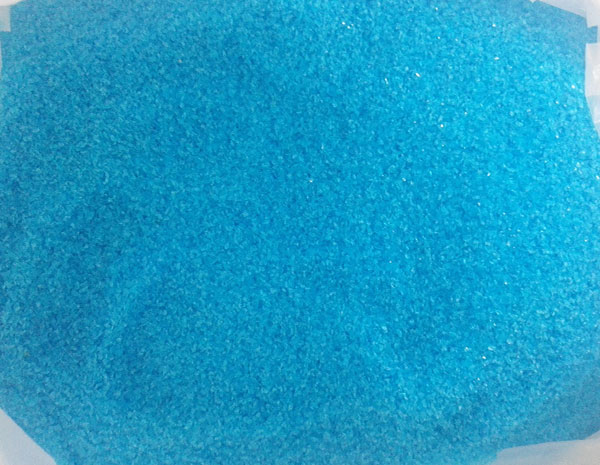
Copper sulfate, a chemical compound with a rich history dating back centuries, has found its way into various industries and applications due to its unique properties and versatile nature. From agriculture to science, this compound has proven its worth in a multitude of ways.
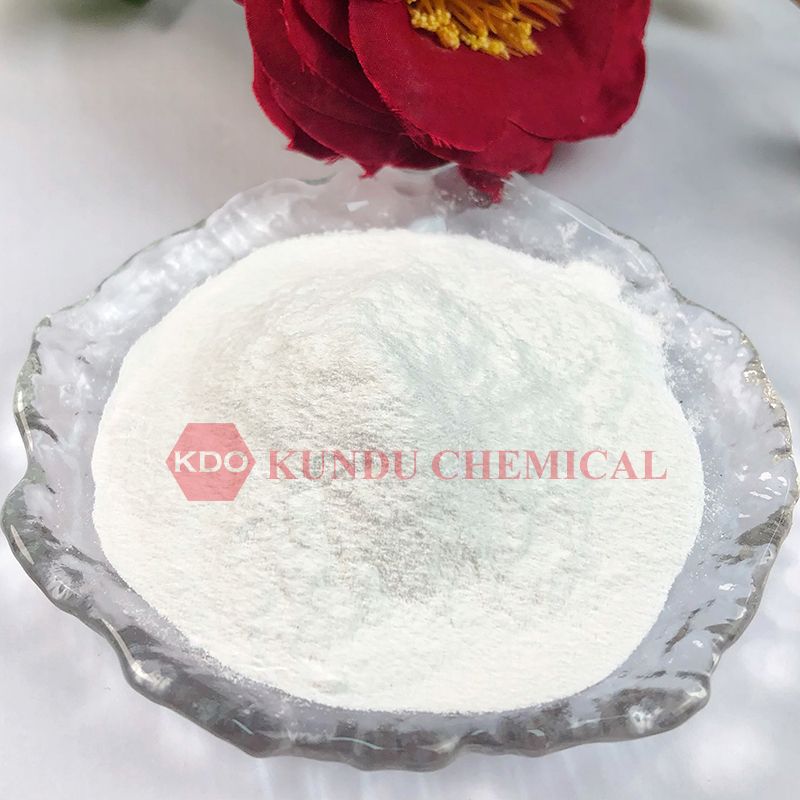
Hydroxy Ethyl Cellulose, commonly abbreviated as HEC, is a non-ionic, water-soluble polymer derived from cellulose. Cellulose, found in the cell walls of plants, is a naturally occurring polysaccharide. Through a chemical modification process, ethylene oxide is introduced to cellulose, resulting in the formation of HEC.
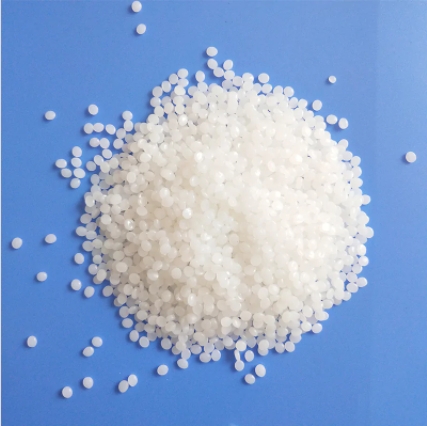
Welcome to our comprehensive guide on GPPS (General Purpose Polystyrene) Plastic Material! In this article, we delve into the intricacies of GPPS, exploring its properties, applications, manufacturing processes, and environmental impact.
By Geym
The "best" grade of Hydroxypropyl Methylcellulose (HPMC) depends on the specific requirements of the application and the desired properties needed for the formulation. HPMC is available in various grades, each with different molecular weights and viscosity levels, making them suitable for different purposes.
Sulfonyl chloride, also known as sulfonamide chloride, is a chemical compound with the functional group -SO2Cl. It is a versatile reagent used in various chemical reactions and serves as a crucial intermediate in the synthesis of numerous organic compounds.